Introduction
There's a particular frustration in discovering that a product you manufactured carefully, stored correctly, and shipped on time arrived at its destination damaged. The manufacturing was fine. The product was fine. The problem happened somewhere between dispatch and delivery — and in most cases, it was preventable.
Packaging damage in transit is one of those costs that businesses often absorb without fully accounting for it. Replacement shipments, customer complaints, returned goods, and the quieter damage to a supplier relationship that a string of broken deliveries causes — these add up faster than most operations teams realise until someone actually runs the numbers. The right packaging materials don't just wrap a product. They're the last line of defence between a production line that worked and a customer who receives what they ordered.
What Actually Happens to a Package Between Dispatch and Delivery
A shipment that leaves a warehouse neat and secured doesn't stay that way by default. It gets loaded onto a truck with other freight, vibrates across hundreds of kilometres of road, gets transferred at a distribution hub, stacked under heavier boxes, unloaded again, potentially left in a warm or humid warehouse, and finally delivered — sometimes more than once if no one is available to receive it. Every one of those touchpoints is an opportunity for a poorly packaged product to shift, crush, absorb moisture, or arrive looking like it was treated as ballast.
Most transit damage isn't caused by rough handling or careless logistics — it's caused by packaging that wasn't designed with the actual journey in mind. A carton that holds together perfectly in a static storage environment can fail completely when the load shifts on a corner or a pallet flexes under the weight above it. Packaging decisions made at the production line have consequences that play out hundreds of kilometres away.
Why PP Strapping Is the First Thing to Get Right
PP box strapping does one job, and it does it well: it holds things together under load. Cartons stacked on a pallet without strapping rely entirely on the carton itself to maintain integrity under compression and lateral movement. That works until it doesn't — and when it fails, it tends to fail in a cascade.
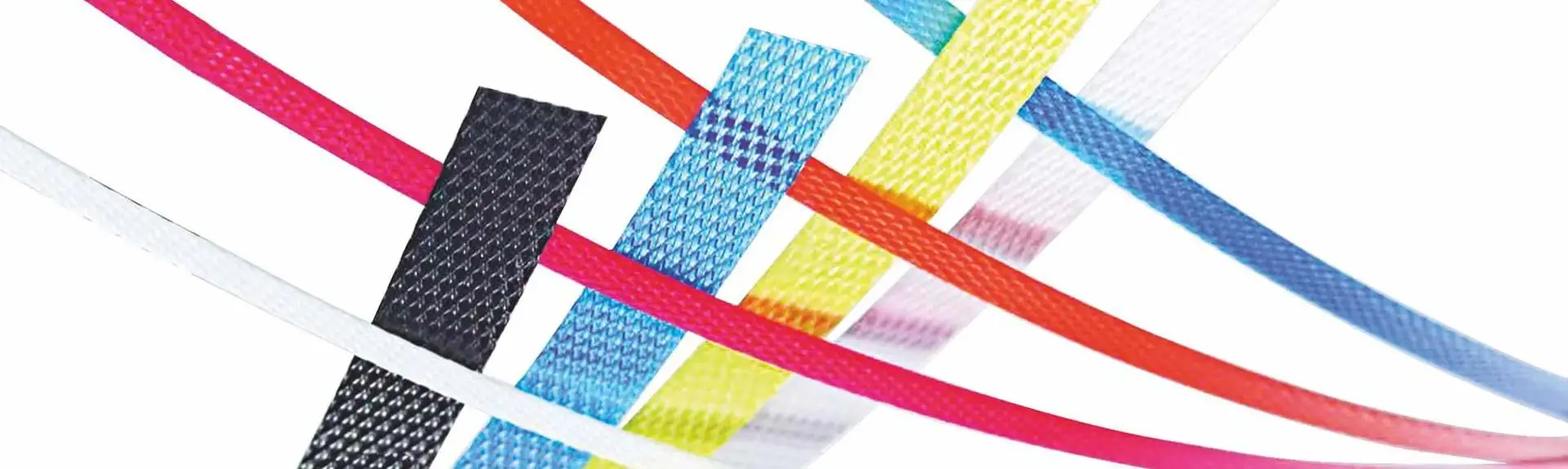
Good Box strapping for industrial packaging keeps bundled products and cartons bound tightly together, preventing the kind of shifting that causes corner crushing and edge damage during transit. It improves load stability on pallets, makes handling safer for warehouse and logistics teams, and gives the package a physical integrity that the carton board alone can't provide once things start moving. The width and tensile strength of the strap matter — heavier or more irregularly shaped loads need higher-specification strapping, and using the wrong grade is almost as bad as not strapping at all.
The Case for Automating the Strapping Stage
Manual strapping is fine at low volumes. At scale, it creates two problems: inconsistency and speed. When operators are applying strapping manually across a long shift, strap tension varies — some packages end up over-tensioned and at risk of carton denting, others under-tensioned and effectively unsecured. Neither outcome is what anyone intended.
An automatic strapping system for packaging lines removes that variability entirely. Every package gets the same tension, the same strap position, the same cycle time — regardless of which shift is running or how many hours into the day it is. For operations running continuous production, the throughput gain over manual strapping is also significant. Bottlenecks at the packaging stage cost money across the whole line, not just in the packaging department, and automated strapping removes one of the more common ones.
Shrink Film: The Protective Layer That Also Does the Work of Sealing
Strapping secures a load. Shrink film protects the surface. The two aren't alternatives — they serve different functions, and in many applications, both are needed.
LDPE shrink rolls for industrial packaging create a tight, conforming seal around a product or a bundle that blocks dust, moisture, and incidental contact during handling and storage. Once heat is applied, the film contracts to the profile of whatever it's wrapped around, leaving no loose material to catch, tear, or allow ingress. For products that go through multiple handling stages, spend time in open warehouses, or are shipped in conditions where moisture exposure is a real risk — electronics, pharmaceuticals, food packaging, industrial components — that layer of protection is genuinely useful rather than cosmetic.
The presentation dimension matters too. A cleanly shrink-wrapped product arrives looking like it was cared for. That impression, whether in a retail context or a B2B delivery, reflects on the brand that shipped it.
What the Numbers Look Like When You Add It Up
Packaging material costs are visible. Transit damage costs are often dispersed across returns, replacements, customer credits, and the administrative time spent managing claims — which makes them harder to see in aggregate but no less real. Operations that have run the comparison between proper packaging investment and absorbed damage costs fairly consistently find the math goes in one direction.
Reduced damage rates mean fewer replacement shipments. Fewer replacements mean lower logistics costs and less production time diverted to re-fulfilling orders that should have been done the first time. Better packaging also means fewer customer complaints, which has value that's harder to quantify but is real nonetheless — particularly in relationships where a supplier's reliability is part of what keeps the contract renewed.
Choosing Materials and Suppliers That Match the Application
Not all strapping performs the same under heavy loads, and not all shrink film has the same moisture barrier properties or heat shrink characteristics. The right specification depends on the product weight, the distribution environment, the transit duration, and the handling conditions the package will go through.
An experienced packaging manufacturer understands these variables and can recommend materials that genuinely match the application — not just the closest standard product on the shelf. Consistency across production batches, reliable lead times, and accessible technical support when something on the line needs adjustment are the supplier qualities that matter once the initial purchase decision has been made.
Conclusion
A product that arrives damaged isn't just a logistics problem — it's a manufacturing investment that didn't deliver its return. The quality that went into making it, the care taken in production, the cost of the materials — all of it is only realised if the product arrives intact.
Whether the answer is better Box strapping for industrial packaging , implementing an automatic strapping system for packaging lines, or adding LDPE shrink rolls for industrial packaging to the protection stack — getting packaging right is one of the more straightforward investments a business can make. The cost of getting it wrong tends to make itself felt in ways that are both more expensive and more frustrating than the cost of getting it right from the start.